

Improve sketching by drawing for 10 minutes daily: observe simple objects, vary line weight, review one mistake, and keep a dated sketchbook to track progress.


Etsy, ArtStation, Redbubble, and INPRNT help artists sell drawings, prints, and digital downloads while reaching buyers who value original visual work.

Beginner-friendly digital art software should offer intuitive brushes, layers, and export tools. Krita, Procreate, and Clip Studio Paint balance ease of use with room to grow.

Build a focused portfolio by showing your strongest work, clear project context, and client-ready outcomes. Curate for the market you want, not every piece you’ve made.

Drawing tablets offer precision and desktop power; iPads deliver portability and a natural sketching feel. The better choice depends on workflow, budget, and software.

Choose a beginner drawing tablet by weighing active area, stylus pressure, driver stability, and device compatibility-then match features to your budget and workflow.

Price digital art by factoring skill, time, licensing scope, and market demand. Set a firm floor, then adjust for exclusivity to protect profit and creative value.
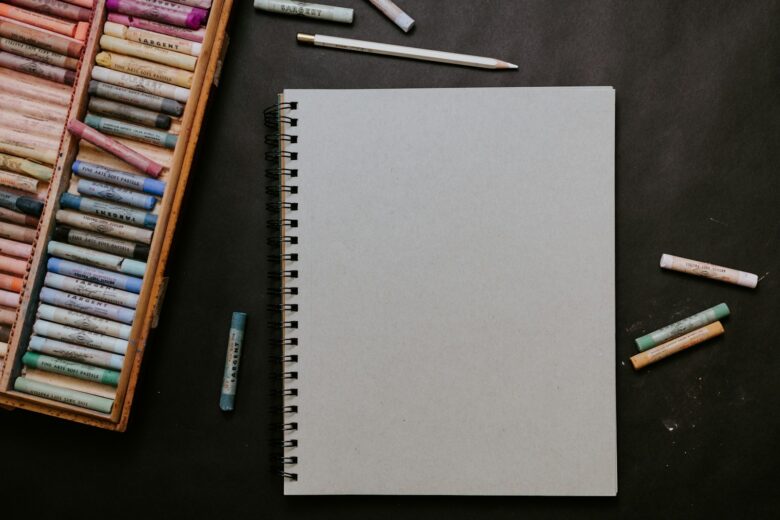
Learn drawing from scratch by mastering lines, shapes, shading, and perspective first. Practice daily with simple objects, then build skills through guided exercises.

Easy drawing exercises like gesture sketches, contour lines, and value studies build accuracy, speed, and control-helping you improve faster with focused daily practice.
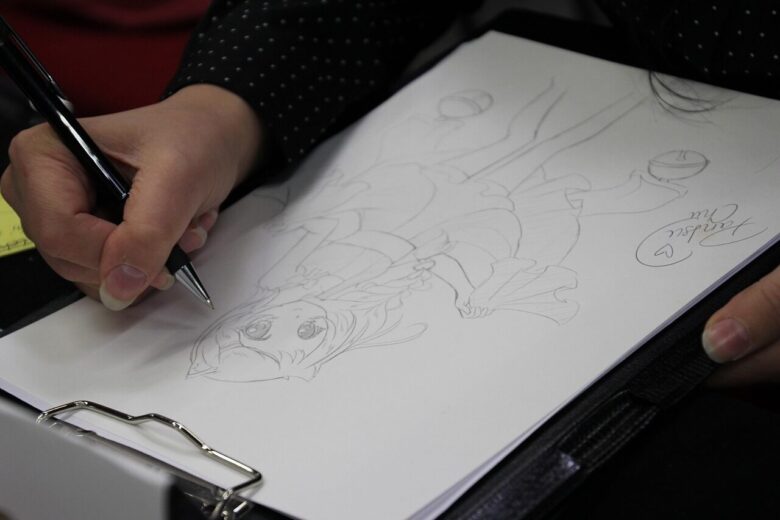
Print-on-demand lets artists turn signature illustrations into posters, apparel, stationery, and home décor while testing niches without inventory risk.